
Frost-Resistant Plants for Vancouver Gardens (Zone 8b): A Designer's Picks
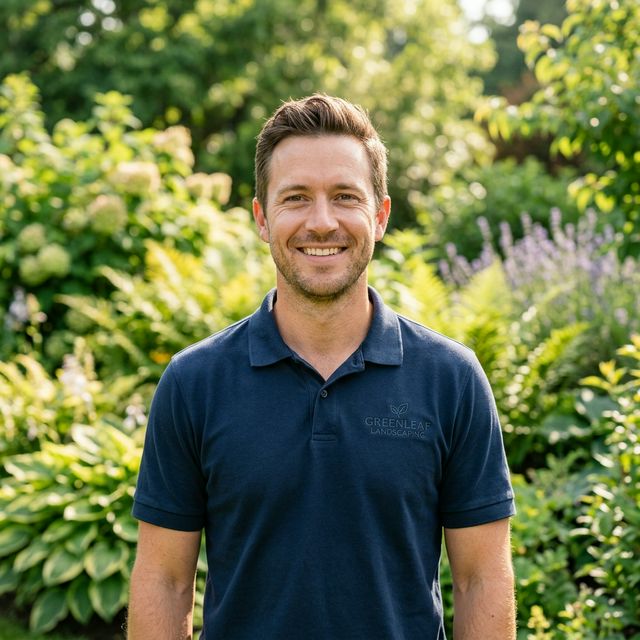
Articles written by the team at Landscapify, a landscaping and outdoor construction company serving Vancouver and the North Shore.
Metro Vancouver is USDA Zone 8b (occasional lows around -7°C to -9°C). Reliable evergreens include Japanese Maple, Mountain Hemlock, Pacific Yew, and Boxwood. Top frost-resistant perennials: Hellebore, Heuchera, Lavender (English), Salvia, Sedum, Echinacea, and Russian Sage. Best Pacific Northwest natives for low-maintenance gardens: Salal, Sword Fern, Oregon Grape, Pacific Rhododendron, Red Flowering Currant, and Vine Maple. Avoid hydrangeas in north-facing exposures and any tropical-zone plants sold at big-box stores.
Metro Vancouver is USDA Zone 8b, winter lows of -7°C to -9°C in a typical year, occasionally dipping to -12°C in cold snaps. Hotter summers and longer dry stretches are also pushing us toward a hybrid Zone 8b/9a microclimate.
That means a lot of “hardy” plants from southern Ontario or California won’t survive here, and a lot of plants stocked at big-box stores are too tender for our actual conditions. Here’s our shortlist of plants that actually perform.
Evergreens, Year-Round Structure
The backbone of any Vancouver garden is evergreens. Our winters are wet and grey for 6+ months; deciduous-only gardens look bleak from November to March. Evergreens give the garden bones.
Japanese Maple (Acer palmatum), including evergreen varieties: Iconic. ‘Bloodgood’ for upright red, ‘Crimson Queen’ for weeping cascading form. Zone 5-8 hardiness, totally bulletproof in Vancouver. $250-$1,200+ depending on size and form.
Western Red Cedar (Thuja plicata): Native, naturally adapted to our climate. Excellent screening or specimen. Slow but steady. $80-$400 depending on size.
Boxwood (Buxus sempervirens): Formal hedging or topiary. Verify nursery is boxwood-blight-free before buying. $40-$120 per plant.
Mountain Hemlock (Tsuga mertensiana): Native, beautiful needled evergreen. Tolerates wet soil better than most conifers. $150-$500 per plant.
Pacific Yew (Taxus brevifolia): Slow-growing native, lovely texture, deer-resistant. Drought-tolerant once established. $90-$300.
Sky Pencil Holly (Ilex crenata ‘Sky Pencil’): Narrow columnar form, only 60cm wide × 3m tall. Perfect for tight spaces. $80-$200.
Frost-Resistant Perennials
Perennials are the value plays, once established, they come back every year for a decade or more.
Hellebore (Helleborus orientalis): Winter-blooming (January-March!), evergreen, frost-proof. Vancouver’s gardening hero. $25-$75 per plant.
Heuchera (Coral Bells): Foliage in every colour from lime green to plum purple to nearly black. Tolerates shade. Evergreen-ish in Vancouver. $20-$50 per plant.
English Lavender (Lavandula angustifolia ‘Hidcote’, ‘Munstead’): True English varieties handle our winters. The Spanish/French lavenders sold at garden centres often don’t. $20-$45.
Salvia (Salvia nemorosa varieties): Long bloom, pollinator magnet, frost-hardy. ‘Caradonna’, ‘May Night’, ‘East Friesland’ all reliable. $15-$30 per plant.
Sedum (Stonecrop): Drought-tolerant succulent perennials. ‘Autumn Joy’, ‘Matrona’, ‘Carl’ all excellent. $15-$35.
Echinacea (Coneflower): Native to North America, frost-hardy, pollinator favourite. Tons of colour varieties now beyond traditional purple. $20-$45.
Russian Sage (Perovskia atriplicifolia): Silvery foliage, blue-purple flowers, drought-tolerant after establishment. Loves Vancouver summers. $25-$55.
Hosta (Hosta varieties): Shade workhorse. Almost any variety thrives in Vancouver’s shade. Dies back in winter, returns reliably. $15-$60 depending on size.
Astilbe: Shade-loving plumes, frost-hardy. Pairs beautifully with hosta. $20-$45.
Bleeding Heart (Lamprocapnos spectabilis): Native variety especially good for shaded woodland gardens. $25-$50.
Pacific Northwest Natives, Low-Maintenance Gold
Native plants thrive on natural rainfall, support local pollinators, and need almost no fertilizer or pesticides. The smart Vancouver garden is at least 30% native species.
Salal (Gaultheria shallon): Evergreen groundcover-to-shrub, glossy leaves, pink bell flowers, edible berries. The PNW signature plant. $25-$60.
Sword Fern (Polystichum munitum): The fern. Evergreen, tolerates dry shade, drought-tolerant once established. $20-$60 depending on size.
Oregon Grape (Mahonia aquifolium): BC’s provincial flower! Holly-like evergreen foliage, yellow spring flowers, blue berries. Architectural and tough. $35-$90.
Pacific Rhododendron (Rhododendron macrophyllum): Native rhodo with pink-purple blooms. Hardier than imported rhodos. $80-$300.
Red Flowering Currant (Ribes sanguineum): Spring-blooming native shrub, attracts hummingbirds. $40-$110.
Vine Maple (Acer circinatum): Native small-tree maple with stunning fall colour. $150-$400.
Tall Oregon Grape (Mahonia nervosa): Smaller cousin of Oregon Grape, beautiful in mass plantings under tree canopy. $30-$70.
Pacific Bleeding Heart (Dicentra formosa): Delicate woodland native, naturalizes well. $25-$50.
Western Sword Fern + Maidenhair Fern combinations: Magical in deep shade gardens. Plant in groups of 3-5 for impact.
Shrubs Worth Planting
Hydrangea (paniculata varieties, not macrophylla): ‘Limelight’, ‘Pinky Winky’, ‘Quick Fire’. Frost-hardy. Avoid mophead types (macrophylla) in north-facing or wind-exposed spots, they suffer in cold snaps. $50-$200.
Daphne odora (Winter Daphne): Evergreen, fragrant late-winter blooms. Slow but rewarding. $80-$200.
Skimmia japonica: Evergreen, red berries on female plants (need male nearby), tolerates shade. $60-$150.
Pieris japonica: Evergreen with white bell flower clusters in spring. New growth flushes red. Loves our acidic soil. $80-$250.
Sarcococca (Sweet Box): Evergreen groundcover-to-shrub, intensely fragrant winter blooms (you’ll smell it before you see it). $50-$150.
Spirea japonica: Reliable, drought-tolerant, low-maintenance flowering shrub. $40-$100.
Trees Suited to Vancouver
Big-impact specimens:
- Japanese Maple (varieties above)
- Stewartia pseudocamellia: Year-round interest, flowers, fall colour, exfoliating bark
- Dogwood (Cornus kousa): Disease-resistant cousin to native dogwood, beautiful blooms
- Magnolia (Magnolia stellata, M. soulangeana): Spring spectacle, slow-growing, long-lived
- Witch Hazel (Hamamelis intermedia ‘Arnold Promise’, ‘Diane’): Late-winter flowers, fall colour
Useful smaller trees:
- Serviceberry (Amelanchier alnifolia): Native, edible berries, beautiful spring flowers, fall colour
- Crab Apple (Malus ‘Prairifire’, ‘Royal Raindrops’): Disease-resistant varieties
- Cornus florida (Flowering Dogwood): Heritage classic but susceptible to dogwood anthracnose, prefer C. kousa
What We Don’t Use Anymore
Italian Cypress (in cold microclimates): They can suffer in our cold snaps. Use only in protected courtyards or warmer spots.
Most hydrangea macrophylla (mophead types): They die back hard in our winters and often don’t flower well. Paniculata types are better.
Big-box tropical/zone-9b plants: Croton, cordyline, philodendron sold as outdoor plants. They die the first winter. They’re indoor plants.
English Ivy (Hedera helix): Invasive in BC. Don’t plant it. Use evergreen euonymus or pachysandra instead.
Running bamboo (Phyllostachys species): Invasive nightmare. Only clumping bamboo (Fargesia, Bambusa).
Bigleaf Maple (Acer macrophyllum) in small yards: Native and beautiful but gets HUGE (25m+). Plant only in larger lots.
Mountain Laurel (Kalmia latifolia): Doesn’t love our wet winters. Replace with native rhododendron or pieris instead.
Plant Combinations That Work in Vancouver
Modern woodland border (shade):
- Backdrop: 3-5 Japanese maples
- Mid-layer: Sword ferns + hostas + bleeding heart
- Groundcover: Pachysandra + maidenhair fern + sweet box
Pollinator garden (full sun):
- Backdrop: Mountain hemlock or western red cedar
- Mid-layer: Echinacea + salvia + Russian sage + lavender
- Groundcover: Sedum varieties + creeping thyme
Low-maintenance native garden:
- Backdrop: Pacific yew + Pacific rhododendron
- Mid-layer: Salal + Oregon grape + sword fern
- Groundcover: Pacific bleeding heart + tall Oregon grape
Year-round structural garden:
- Backdrop: Boxwood hedging or formal yew
- Mid-layer: Skimmia + pieris + hellebore
- Specimen: Stewartia or Japanese maple
Planting Timing in Vancouver
Best time to plant most plants: October-early November (cool, wet, plants establish roots before summer drought).
Second-best: February-April.
Avoid: June-August for anything other than well-established container plants you can baby with daily water.
Ready to Plan Your Garden?
A well-planned plant palette will outlast a hardscape installation by decades. We design plantings around your sun exposure, soil, drainage, deer pressure, and aesthetic goals. Free design consultations available.
Related guides:
Ready to Upgrade Your Property?
Speak with our team today to get a custom breakdown of the costs, materials, and timeline for your specific landscape.